







Laser Welding vs Traditional Welding: What Industrial Businesses Should Know
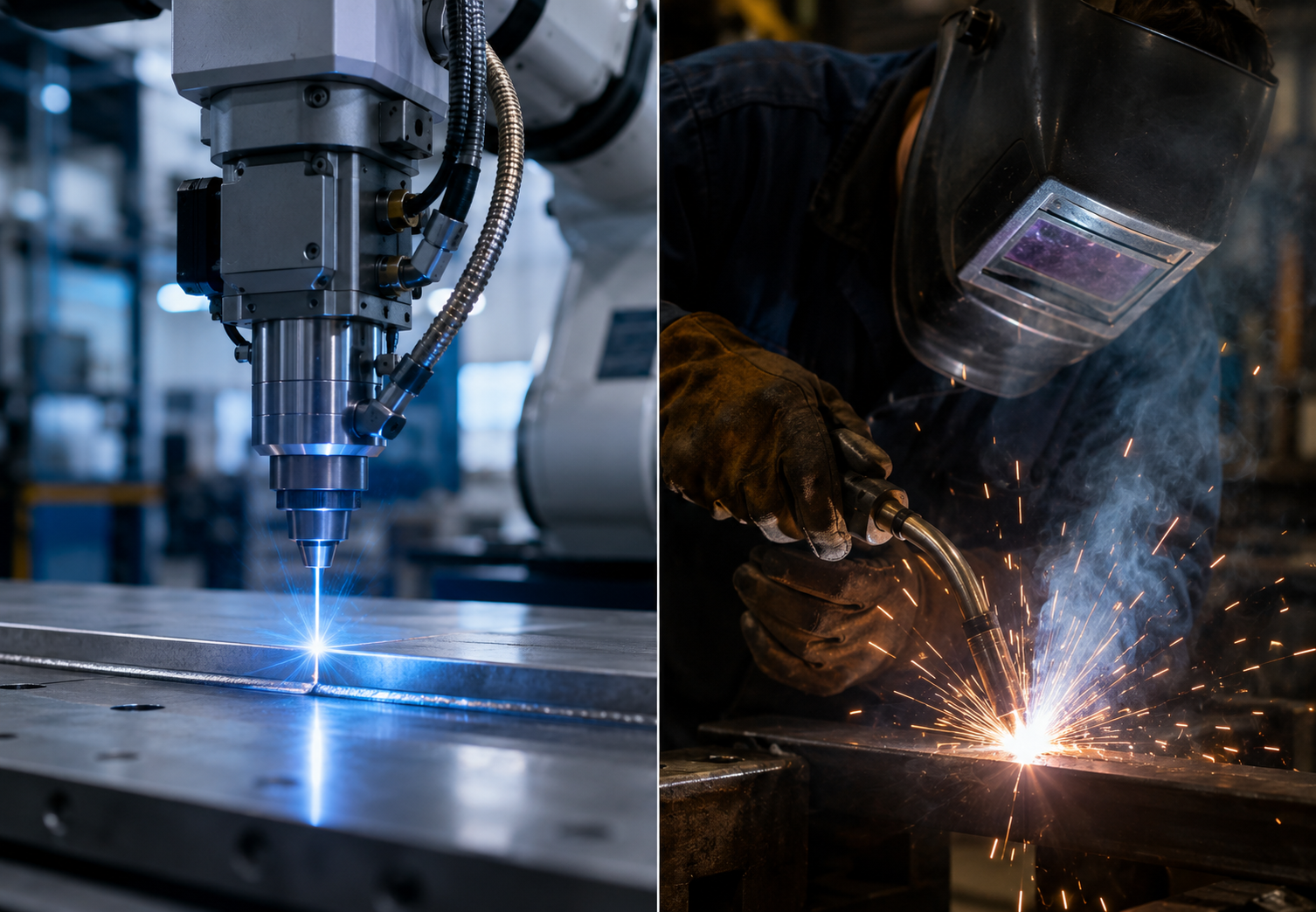
Laser welding is becoming more common in modern manufacturing because companies are looking for faster production, cleaner welds, better precision, and more automation. Traditional welding methods such as MIG, TIG, and arc welding are still widely used, but laser welding is gaining attention in industries where accuracy, repeatability, and low distortion matter.
Laser welding uses a highly concentrated laser beam to join materials. Because the beam is focused into a small area, the process can create narrow welds with less heat spread into the surrounding material. This often means a smaller heat-affected zone and lower risk of distortion compared with many traditional welding methods.
Traditional welding, on the other hand, usually uses an electric arc or filler material to melt and join the metal. It is easier to implement, more familiar to many welders, and usually requires a lower initial investment. This is why traditional welding is still very important in workshops, repair work, construction, and general fabrication.
Why Laser Welding Is Growing
One major reason laser welding is growing is precision. A laser beam can be directed very accurately, which makes the process useful for parts that require clean, repeatable welds. This is especially valuable in industries such as automotive manufacturing, electronics, medical devices, aerospace, stainless steel fabrication, and precision metal components.
Laser welding is also attractive because it can be faster than many traditional welding methods. A concentrated beam allows high welding speeds and can reduce the need for extra finishing work when the setup is correct. ESAB notes that laser welding can offer high precision, low heat distortion, and faster processing time compared with traditional welding.
Lower Heat Input and Less Distortion
Heat control is one of the biggest advantages of laser welding. In many welding processes, too much heat can cause warping, deformation, discoloration, and changes in the surrounding material.
Because laser welding focuses energy into a narrow area, it can reduce the size of the heat-affected zone. A smaller heat-affected zone can help protect nearby material and reduce distortion, especially on thinner or more delicate parts.
This does not mean laser welding is always the best choice. It means that for applications where heat control matters, laser welding can be a strong option.
Where Traditional Welding Still Makes Sense
Traditional welding is not disappearing. MIG, TIG, and arc welding remain practical and reliable for many jobs.
Traditional welding can be better when:
the budget is limited
the work is repair-based or one-off
the parts are large and simple
the workshop already has trained welders
the job does not require very tight precision
the material fit-up is not perfect
the production volume is low
Traditional welding equipment is also generally easier to access and less expensive to start with. For many smaller workshops, that matters.
Where Laser Welding Performs Best
Laser welding becomes more attractive when the business needs speed, repeatability, automation, and clean results.
Laser welding can be useful for:
thin metal parts
stainless steel components
high-volume production
automated production lines
precision assemblies
clean visible welds
parts where distortion must be minimized
applications where post-processing should be reduced
In automated manufacturing, laser welding is especially interesting because the process can be integrated with robotics and production systems. Market research also shows continued growth in robotic laser welding, driven by demand for precision, automation, and efficient manufacturing.
The Cost Question
The biggest barrier to laser welding is usually the initial investment. Laser welding machines, safety systems, optics, training, and automation can cost more than traditional welding equipment.
However, the long-term value can be strong when the machine is used correctly. Faster cycle times, reduced distortion, cleaner welds, less rework, and automation can help justify the investment in the right production environment.
For a small repair shop, traditional welding may still be the better choice. For a manufacturer producing repeated parts every day, laser welding may offer a stronger long-term advantage.
Maintenance Still Matters
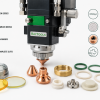
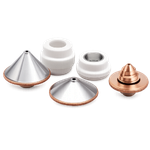
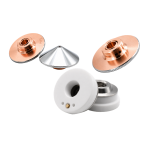
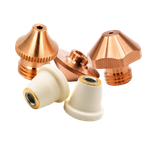
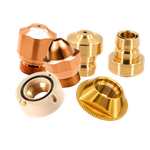
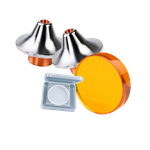
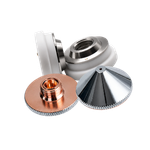
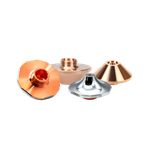
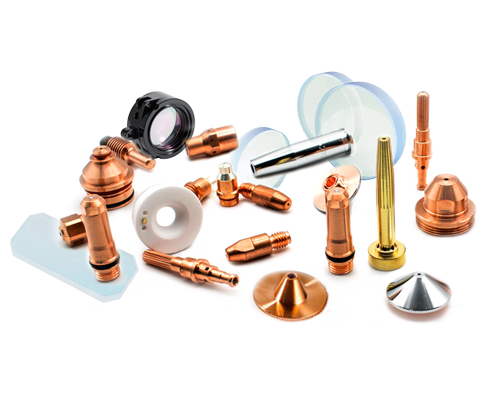
Laser welding may look cleaner and more advanced, but it still depends on proper maintenance. Optical components, protective windows, nozzles, shielding gas systems, and machine alignment all affect weld quality.
A modern welding system can only perform well if the supporting components are kept in good condition. Dirty optics, worn nozzles, incorrect gas flow, or damaged protective parts can reduce performance quickly.
This is similar to laser cutting: the machine is important, but the small maintenance parts are what help keep the process stable.
Final Thoughts
Laser welding and traditional welding both have their place. Traditional welding remains practical, flexible, and widely used. Laser welding is growing because it offers high precision, fast processing, lower heat input, and strong potential for automation.
For industrial businesses, the right choice depends on the application, production volume, budget, material, and quality requirements.
If the goal is low-cost flexibility, traditional welding may be enough. If the goal is precision, speed, repeatability, and automation, laser welding is worth serious consideration.
At Kamiteka, we focus on components and maintenance parts for professional laser systems, helping workshops keep their equipment stable, precise, and ready for production.