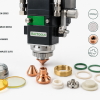



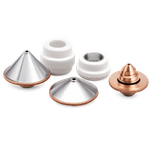

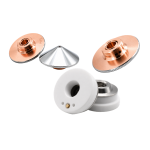
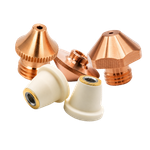



Why Silicone Sealing Rings Matter in Laser Cutting Heads

In laser cutting systems, small components often have a bigger role than they appear to. One good example is the silicone sealing ring used inside or around the laser cutting head.
A sealing ring may look simple, but it helps protect the optical path, supports stable gas flow, and helps keep sensitive parts of the cutting head clean. When the ring is worn, loose, damaged, or incorrectly fitted, cutting quality can drop and maintenance problems can appear faster.
What Does a Sealing Ring Do?
A sealing ring is used to create a tight seal between parts of the cutting head. In many laser cutting heads, sealing rings are used around protective lenses, lens holders, nozzle areas, and other internal sections.
The main purpose is simple: keep the system sealed and stable.
A good sealing ring helps prevent dust, smoke, metal particles, and dirty air from entering sensitive areas of the cutting head. This is especially important because laser optics need to stay clean to maintain beam quality. Contamination inside the head can affect the protective lens, focusing lens, and other optical components.
Why Sealing Matters in Laser Cutting
Laser cutting depends on precision. The beam, optics, nozzle, and assist gas all need to work together correctly.
Assist gas plays an important role in laser cutting because it helps remove molten material from the cut area and affects cut quality. Research on laser cutting shows that assist gas conditions, nozzle design, laser power, feed rate, and material thickness are all important factors that influence cutting results.
Because gas flow is so important, sealing around the cutting head matters. A poor seal can affect pressure stability and increase the risk of contamination. Even a small leak or loose seal can create problems over time.
How a Bad Sealing Ring Can Affect Performance
A damaged or worn sealing ring can cause several issues:
Reduced protection of the optical path
Dust or particles may enter areas that should stay clean. This can increase the risk of contamination on the protective lens.
Less stable cutting performance
If the cutting head is not sealed properly, gas flow and internal pressure may become less stable.
More frequent lens contamination
A poor seal can allow smoke, dust, or dirty gas to reach the protective lens area faster.
Higher maintenance costs
If contamination reaches the optics, users may need to clean or replace lenses more often.
Risk of inconsistent cut quality
Unstable gas flow and contaminated optics can lead to rougher edges, burning, dross, or incomplete cuts.
Signs That a Sealing Ring Should Be Replaced
Sealing rings are consumable parts. They should be checked during regular maintenance, especially when replacing or cleaning protective lenses.
Common signs of wear include:
Visible cracks or cuts
Flattened or deformed shape
Loss of elasticity
Loose fit inside the holder
Burn marks or discoloration
Dust or contamination near the lens area
Repeated lens contamination after cleaning
Unstable cutting quality without another clear cause
Some laser head maintenance guides specifically recommend checking the sealing ring when replacing the protective lens, and replacing it promptly if it is aged, loose, or damaged.
Why Correct Fit Matters
A sealing ring must match the cutting head model and the exact location where it is installed. If the ring is too large, too small, too soft, too hard, or incorrectly shaped, it may not create a proper seal.
This is why compatibility matters. Raytools, Precitec, WSX, BOCI, and other cutting head systems may use different sealing ring sizes and structures. Choosing the wrong ring can cause poor sealing, incorrect pressure, or installation problems.
For professional laser cutting systems, sealing rings should be treated as precision maintenance parts, not random rubber accessories.
Simple Maintenance Checklist
When servicing a laser cutting head, check the sealing rings together with the protective lens and lens holder.
A simple checklist:
Turn off the machine before maintenance
Work in a clean environment
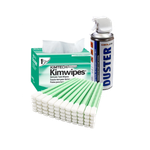
Use gloves to avoid contaminating optics
Check the protective lens area for dust or smoke traces
Inspect the sealing ring for cracks, deformation, or looseness
Replace damaged or aged rings immediately
Make sure the new ring fits correctly before closing the holder
After installation, test cutting quality and check for stable operation
Regular cleaning and maintenance of the laser cutting head is important because the protective lens and related parts are exposed to harsh cutting conditions. Some maintenance guidance recommends cleaning the lens, lens holder, and sealing ring, and replacing the sealing ring if it is damaged.
Final Thoughts
Silicone sealing rings may be small and inexpensive, but they play an important role in laser cutting head reliability. They help protect optical components, support stable operation, and reduce contamination inside the cutting head.
Ignoring a worn sealing ring can lead to more frequent lens problems, unstable cutting performance, and unnecessary downtime. Replacing small consumable parts on time is one of the simplest ways to protect a laser cutting system.
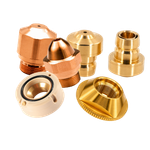
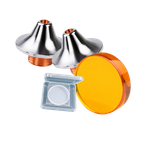
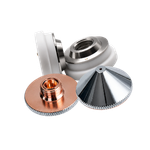
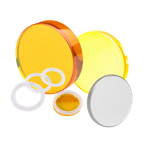
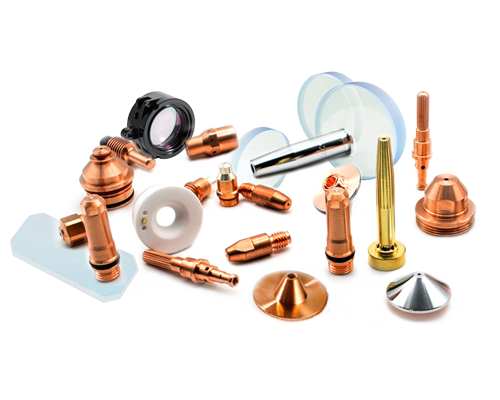
At Kamiteka, you can find sealing rings, ZnSe lenses, mirrors, nozzles, and other laser cutting head components for professional machine maintenance.