








Laser Cutting Head Maintenance Checklist: What to Inspect Regularly

A laser cutting machine can only perform well when the cutting head is clean, aligned, and properly maintained. Even a powerful fiber laser system can produce poor results if the nozzle is damaged, the protective lens is dirty, or the sealing parts are worn.
Regular maintenance helps protect the optics, improve cutting stability, reduce downtime, and avoid expensive damage to the cutting head. For workshops that use laser cutting every day, a simple inspection routine can make a big difference.
Why Cutting Head Maintenance Matters
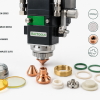
The cutting head is one of the most important parts of a fiber laser cutting system. It directs the laser beam, controls the focus position, and guides the assist gas toward the cutting area.
Because it works close to heat, smoke, dust, molten metal, and gas pressure, the cutting head is exposed to harsh conditions. Protective lenses, nozzles, sealing rings, and other consumable parts can wear or become contaminated over time.
A dirty or damaged protective lens can reduce laser power, affect cutting quality, and increase the risk of overheating. Maintenance guides commonly recommend checking the nozzle and protective lens regularly, because these parts directly affect cut quality and cutting head protection.
Daily Maintenance Checklist
Before starting production, do a quick visual inspection of the cutting head area.
Check the nozzle for:
debris
burn marks
melted edges
deformation
blocked opening
incorrect alignment
The nozzle is important because it directs the assist gas flow toward the cutting zone. If the nozzle is dirty, blocked, or damaged, cutting precision and edge quality can drop.
Check the protective lens for:
dust
smoke marks
oil spots
spatter
scratches
cracks
discoloration
The protective lens helps shield the internal optics from smoke, dust, and metal spatter. If it becomes dirty or damaged, it may reduce cutting quality and can expose more expensive optical components to risk.
Also check that the cutting head exterior is clean. Dust and metal particles around the head can enter sensitive areas during maintenance if the head is opened without cleaning first.
Weekly Maintenance Checklist
Once a week, or more often in heavy production, inspect the parts around the cutting head more carefully.
Check:
protective window condition
nozzle holder condition
ceramic ring condition
silicone sealing rings
lens holder cleanliness
gas connection points
visible dust inside accessible areas
loose screws or fittings
cooling and assist gas lines
Silicone sealing rings and other sealing parts help keep the optical area protected. If a seal is loose, cracked, flattened, or aged, it should be replaced. A poor seal can allow contamination to enter the lens area faster.
When replacing protective lenses, some maintenance instructions recommend cleaning the mirror chamber and related holder area before installing the new lens. This helps prevent dust or dirt from being trapped inside the cutting head.
Monthly Maintenance Checklist
Monthly maintenance should focus on stability, alignment, and repeated problems.
Check:
focus stability
cutting quality consistency
assist gas pressure behavior
lens contamination frequency
nozzle wear pattern
machine alarm history
cooling system condition
air or gas quality
overall head cleanliness
If the protective lens becomes dirty too often, the root cause may not be the lens itself. It could be poor gas quality, incorrect pressure, a damaged seal, a worn nozzle, or contamination entering the cutting head.
Compressed air or assist gas quality is especially important. Poor air quality, moisture, or oil contamination can affect the protective lens and cutting performance. Assist gas also helps protect optics by creating positive pressure inside the cutting head area.
Cleaning Best Practices
Cutting head maintenance should always be done carefully. Laser optics and protective windows are precision parts, so poor handling can cause scratches or contamination.
Basic cleaning rules:
power off the machine before maintenance
allow hot parts to cool
wear clean gloves
clean the outside of the cutting head before opening it
avoid touching optical surfaces with bare fingers
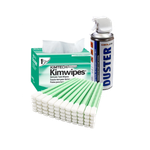
use proper lens tissue or optical cloth
do not use dirty cloths or random paper
remove loose dust before wiping
replace damaged optics instead of forcing them back into use
When replacing or cleaning optical parts, the working area should be clean. Dust entering the lens chamber can create new problems after maintenance.
Signs the Cutting Head Needs Attention
You should inspect the cutting head immediately if you notice:
rough cutting edges
more dross than usual
burn marks on the material
unstable cutting quality
loss of cutting power
frequent protective lens damage
smoke or dust inside the lens area
nozzle damage
irregular gas flow
machine alarms related to focus or cutting quality
These symptoms do not always come from the same problem, but they are warning signs. The cause may be a dirty protective lens, damaged nozzle, poor sealing, wrong focus, bad gas quality, or worn consumables.
Parts That Should Be Replaced on Time
Many cutting head components are consumables. They are not meant to last forever.
Common replacement parts include:
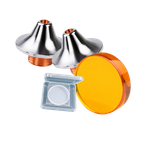
protective windows
ZnSe lenses
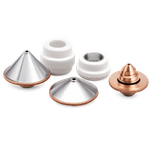
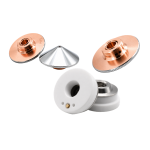
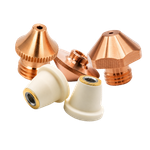
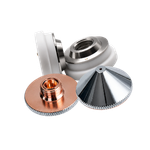
nozzles
ceramic rings
silicone sealing rings
mirrors
lens holders
small sealing and mounting parts
Replacing small parts on time is usually cheaper than damaging the cutting head or losing production time.
Final Thoughts
A laser cutting head works in a demanding environment. Heat, smoke, dust, gas pressure, and metal spatter can all affect performance over time. Regular inspection helps prevent small issues from becoming expensive problems.
A simple maintenance routine should include checking the nozzle, protective lens, sealing rings, gas flow, and general cleanliness of the cutting head. If any part is worn, dirty, cracked, or incorrectly fitted, it should be cleaned or replaced before it affects production quality.
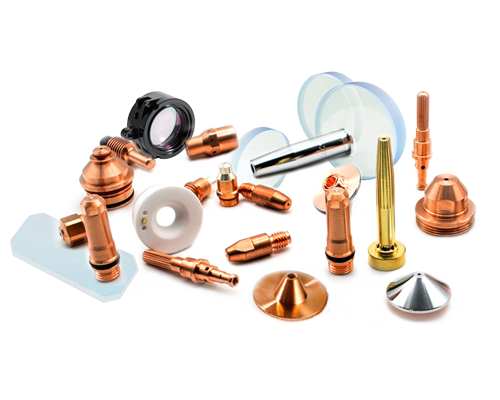
At Kamiteka, you can find laser cutting head components, protective windows, ZnSe lenses, silicone sealing rings, nozzles, mirrors, and related maintenance parts for professional laser systems.