





How to Choose the Right ZnSe Lens for Your Laser Cutting Machine

Choosing the right ZnSe lens is important for stable cutting quality, beam focus, and long-term machine performance. In this guide, we explain what ZnSe lenses are, why they are used in CO₂ laser systems, and what to check before replacing one.
How to Choose the Right ZnSe Lens for Your Laser Cutting Machine
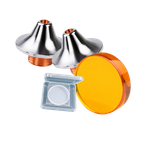
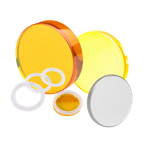
In laser cutting, small optical components can have a major impact on the final result. One of the most important parts in many CO₂ laser systems is the ZnSe lens, also known as a zinc selenide lens.
A high-quality lens helps focus the laser beam correctly, supports clean cutting edges, and reduces unnecessary loss of power inside the optical path. A worn, dirty, or damaged lens can lead to weaker cutting performance, inconsistent results, and higher maintenance costs.
What Is a ZnSe Lens?
ZnSe stands for zinc selenide, a material widely used for infrared optical components. It is especially common in CO₂ laser systems, because it works well with the 10.6 μm wavelength used by many CO₂ lasers. ZnSe is valued because it has good infrared transmission and is suitable for lenses, windows, and other laser optics.
In simple terms, the lens helps focus the laser beam onto the material being cut. If the lens is clean, correctly selected, and properly installed, the machine can produce a more stable and accurate cut.
Why the Right Lens Matters
The lens affects how the beam is focused. This directly influences:
- cutting quality
- edge finish
- cutting speed
- consistency across different materials
- overall laser efficiency
If the lens is not suitable for the machine or application, the beam may not focus correctly. This can create rough edges, incomplete cuts, extra heat, or inconsistent results.
For industrial users, this is not only a quality issue. It can also become a cost issue. Poor cutting performance can lead to wasted material, slower production, and more frequent machine checks.
Key Things to Check Before Buying a ZnSe Lens
1. Lens Diameter
The lens diameter must match the lens holder or laser head. Even a small mismatch can prevent correct installation. Always check the machine specification or the dimensions of the old lens before ordering a replacement.
Common laser lenses are sold by diameter, thickness, and focal length. Do not guess these measurements. If possible, measure the old lens carefully or check the machine manual.
2. Focal Length
The focal length determines where the beam focuses. A shorter focal length usually creates a smaller focused spot, which can be useful for fine cutting or engraving. A longer focal length can be better for thicker materials because it provides a deeper focus range.
The correct focal length depends on the machine, material, and cutting job. For stable daily production, the safest choice is usually to follow the machine manufacturer’s recommended focal length.
3. Coating Quality
Many ZnSe lenses are supplied with anti-reflective coatings. These coatings help reduce reflection losses and improve transmission at the operating laser wavelength. Poor coating quality can reduce performance and shorten the lifetime of the optic.
For laser cutting, optics should be treated as precision components, not simple glass parts. ZnSe is also relatively soft compared with some other optical materials, so incorrect handling or cleaning can damage the surface.
4. Machine Compatibility
Not every lens is suitable for every laser head. Before buying, check compatibility with:
- your laser type
- lens holder size
- focal length requirements
- cutting head design
- power level
- material type
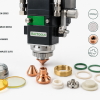
If the machine uses Raytools or another specific cutting head system, it is better to choose components that match that system’s requirements.
Signs Your ZnSe Lens May Need Replacement
A lens does not always fail suddenly. Often, performance drops gradually. Common signs include:
- weaker cutting power
- rougher cutting edges
- more burning or discoloration on the material
- inconsistent cutting depth
- visible scratches, chips, cracks, or burn marks
- lens discoloration
- frequent need to increase laser power
Visible damage such as cracks, chips, scratches, burn spots, or discoloration can strongly affect beam quality and should not be ignored.
If cleaning does not restore performance, replacement is usually the safer option.
Handling and Cleaning Tips
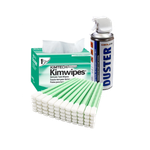
Laser optics should always be handled carefully. Avoid touching the lens surface with bare fingers, because oils and contamination can affect performance. When cleaning is needed, use proper lens-cleaning materials and avoid aggressive wiping.
General laser optic cleaning guidance recommends removing dust first rather than immediately wiping the surface, because dragging particles across the lens can scratch it. Clean gloves, proper lens tissue, and suitable optical cleaning fluid are important.
Basic good practice:
- wear clean gloves
- avoid touching the optical surface
- blow off loose dust before wiping
- use proper lens tissue, not random cloth
- clean gently from the center outward
- never reinstall a lens with visible contamination
- replace damaged lenses instead of trying to keep using them
Final Thoughts
Choosing the right ZnSe lens is not only about finding the correct size. It is about protecting the full laser cutting process. The correct lens helps maintain beam quality, cutting accuracy, and machine reliability.
Before replacing a lens, always check the required diameter, focal length, coating type, and compatibility with your laser head. A small optical component can make a large difference in daily production quality.
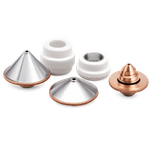
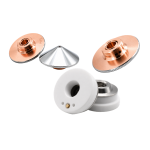
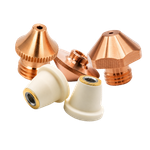
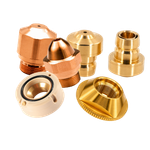
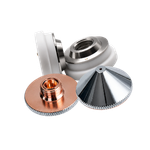
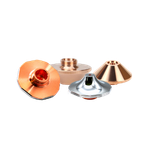
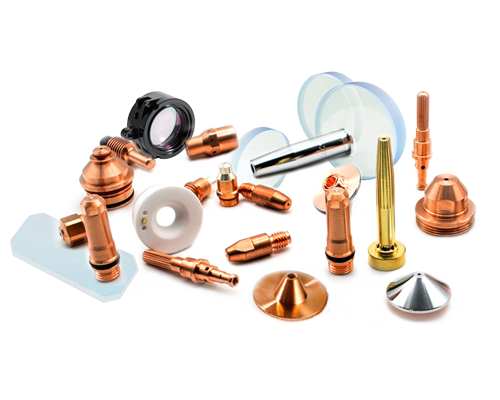
At Kamiteka, you can find laser optics and related components for professional laser cutting systems, including ZnSe lenses, sealing rings, mirrors, nozzles, and cutting head parts.